Electric + Autonomous: A Greener Future for Transit

by May Hakotay | Imagry
May 6, 2025

As cities worldwide work to eliminate carbon emissions and modernize public transportation, one solution is rapidly gaining traction: electric autonomous buses. By combining two transformative technologies—zero-emission electric vehicles and self-driving vehicles-cities can reduce emissions, cut costs, and align with long-term net-zero goals. 

A Dual Innovation for Clean Mobility 

Electric buses already offer sustainability benefits like zero tailpipe emissions, lower maintenance costs, and quieter operation. When paired with autonomous technology, they create a powerful synergy that supports both operational efficiency and a climate strategy. 
“The integration of electric drivetrains not only furthers environmental sustainability goals but also complements autonomous technology (electric buses have simpler powertrains to interface with autonomous control systems)”
Market Opportunity for Autonomous Buses

This technological pairing makes electric AVs an ideal fit for smart city infrastructure and climate-conscious transit planning. 

Helping Cities Meet Net-Zero Targets 

As cities adopt carbon neutrality pledges, they’re seeking scalable ways to decarbonize transit. Autonomous electric buses reduce emissions in dense areas where public transport contributes to air pollution. They’re also being included in smart city roadmaps and government-backed pilot programs focused on sustainable mobility. 

“The push for cleaner, smarter cities is therefore boosting interest in autonomous e-bus deployments as an eco-friendly transit solution.”
Market Opportunity for Autonomous Buses

By deploying electric AVs, cities not only reduce their environmental footprint but also demonstrate leadership in climate innovation. 

Lower Operational Footprint, Higher Impact 

Electric AVs reduce costs in several ways: 

  • Fewer mechanical parts → lower maintenance 
  • No diesel fuel → lower energy expenses 
  • No drivers required → reduced labor costs and more flexible scheduling 


  “Electric buses… offer zero tailpipe emissions and lower operating costs.”
Market Opportunity for Autonomous

Paired with real-time route optimization and energy usage data, these vehicles help cities run cleaner and leaner transit networks.  

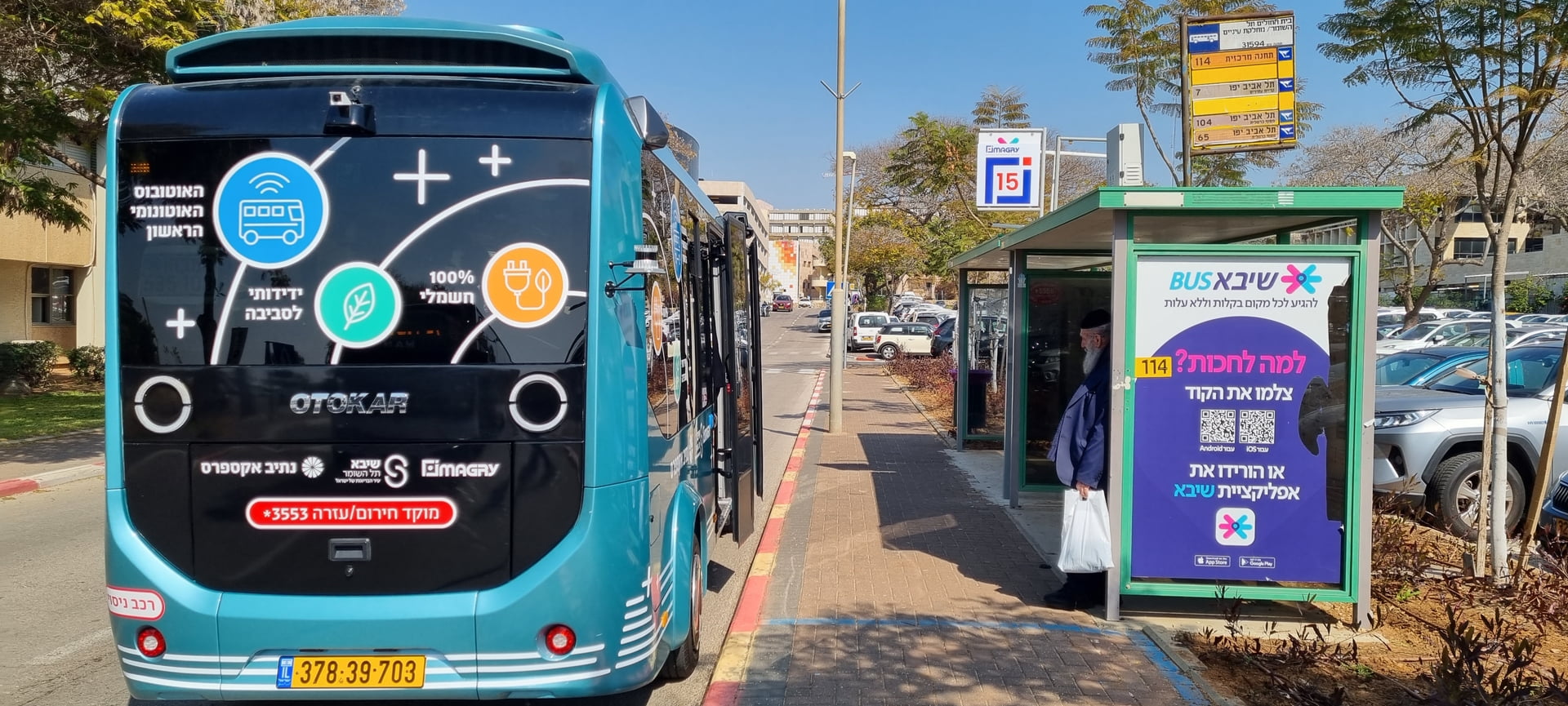
Imagry Sheba Pilot05 1920x865 1

Electric autonomous category M3 bus at Sheba Medical Center, powered by Imagry’s HD-mapless navigation system, delivers a zero-emission, low-maintenance mobility solution.

From Pilot Projects to Scaled Solutions 

Many cities have already launched pilot programs to test electric and autonomous buses. These trials have demonstrated the feasibility of deploying AVs on public roads, often in conjunction with smart mobility infrastructure like connected traffic lights and designated lanes. 

Looking Ahead: A Scalable Path to Climate-Ready Transit 

Electric and autonomous buses are no longer a futuristic vision—they’re already reshaping how cities think about clean, smart transportation. As policy, technology, and sustainability goals align, this dual innovation is poised to become the cornerstone of next-generation public mobility. 

The transition has begun. And with it, a greener, more efficient urban transit era.

Curious where the autonomous bus market is headed next? 

Explore more from our “Transit Insights” blog series: 

Next stop, full autonomy!

Are you coming? Got a question for us?

    Company Locations

    Imagry, Inc.
    1630 Old Oakland Rd.
    Suite #A112
    San Jose CA 95131
    USA
    Imagry (Israel) Ltd.
    53 Derekh HaAtsma'ut
    3rd Floor
    Haifa 3303327
    Israel

    Accessibility Toolbar